William Camden was born in London on 2nd May 1551, the son of Sampson Camden, a member of the Worshipful Company of Painter-
William Camden (1551 -
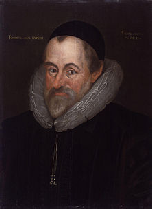
Camden became headmaster of Westminster School in 1593, by which time Britannia’s reputation had established Camden as a renowned and respected figure. In 1597 he was appointed Clarenceux King of Arms at the College of Arms, an appointment intended to free him from the rigours of teaching and give him time to devote to his research. His other major works were “Remaines of a Greater Worke, concerning Britaine” conceived as a more popular companion to Britannia, and Annales rerum Anglicarum et Hibernicarum regnante Elizabetha, ad annum salutis M.D. LXXXIX , a history of the reign of Queen Elizabeth.
He died in Chislehurst on 9 November 1623, and was buried at Westminster Abbey, where his monument can still be seen in the south transept.